Thomas Mann
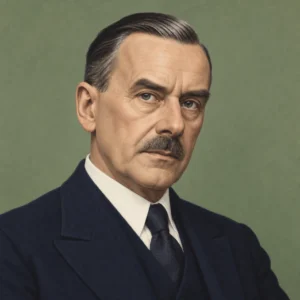
A merchant’s son turned bourgeois life into mythology, then spent his exile speaking back to Germany.
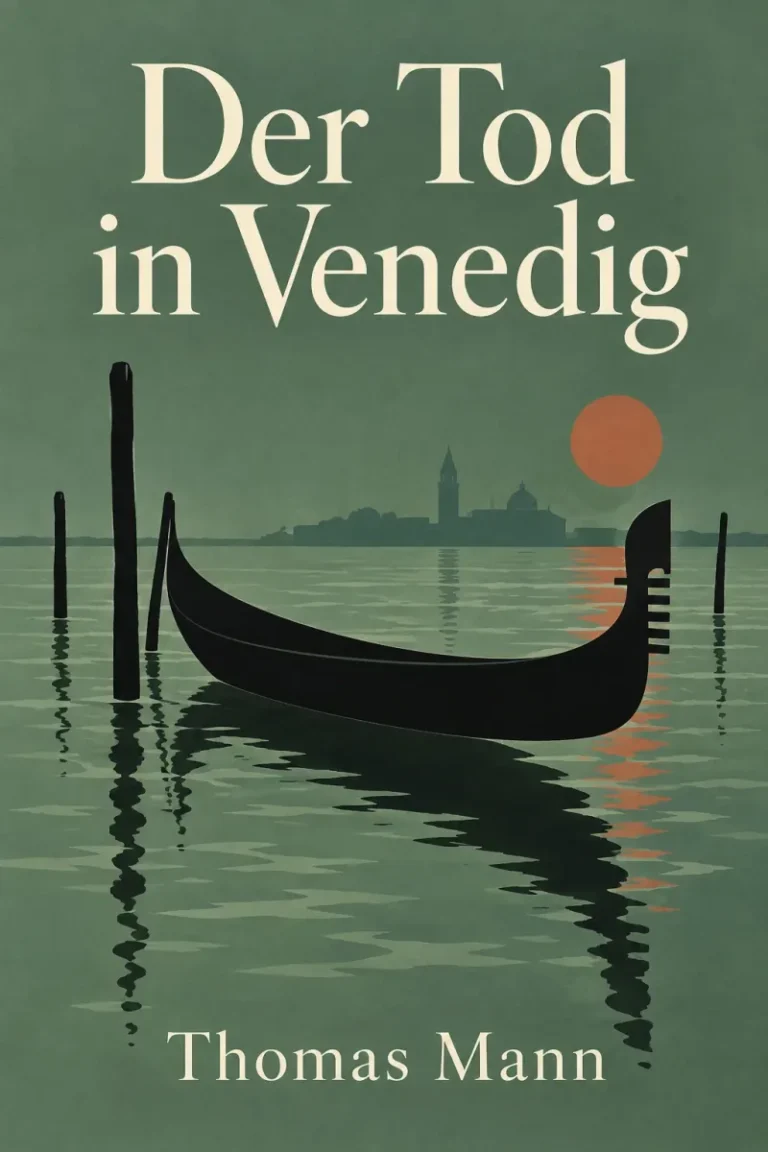
Thomas Mann was born in Lübeck in 1875 and established himself with Buddenbrooks, the 1901 family chronicle that later figured centrally in his 1929 Nobel Prize in Literature. His fiction went on to include Der Tod in Venedig, Der Zauberberg, the Joseph tetralogy, Doktor Faustus, and Bekenntnisse des Hochstaplers Felix Krull. Across novels, novellas, essays, lectures, and diaries, he returned to art, illness, desire, myth, political responsibility, and the unstable authority of cultivated Europe. After Hitler took power, Mann remained abroad, lived first in Switzerland and then in the United States, opposed Nazi Germany in speeches and broadcasts, and became an American citizen. He returned to Switzerland in 1952 and died near Zurich in 1955.
The monumental reputation can hide the mischief. Mann’s sentences keep dignity and irony in the same room.