Learn Italian by Reading Books

Learn Italian by Reading Books

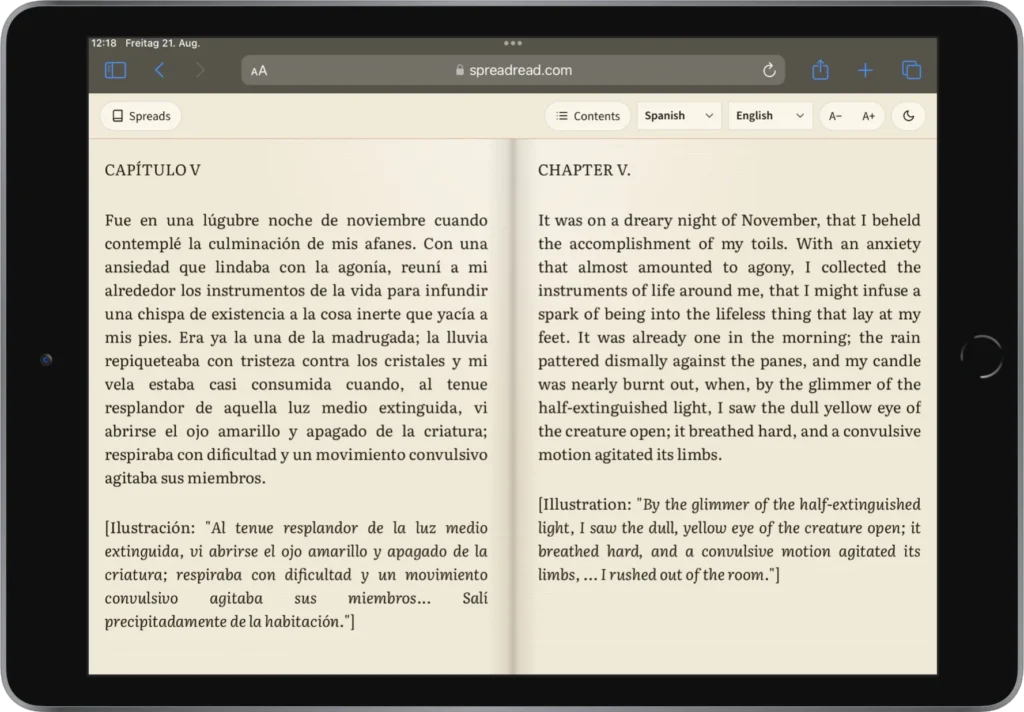
Read stories, novels, and classics in Italian instead of limiting yourself to exercises and isolated phrases. Start with books originally written in Italian, or choose a familiar story in a Italian edition.
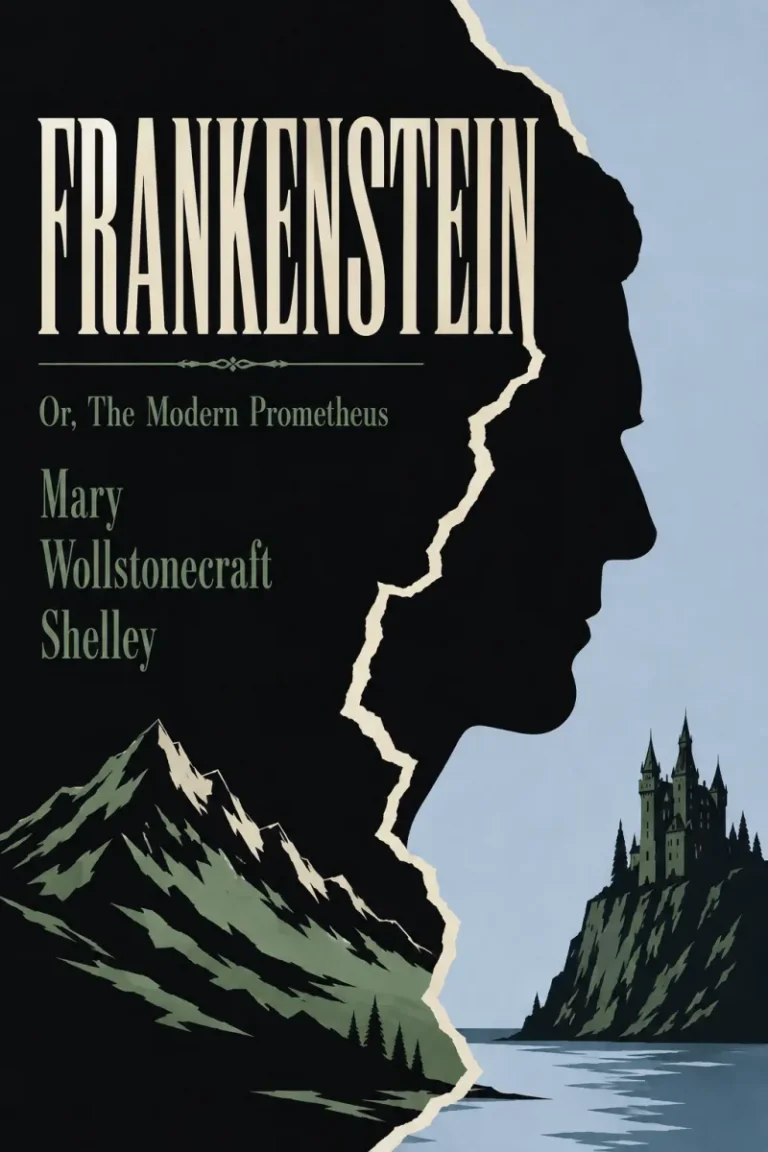
Frankenstein by Mary Shelley

Start with books originally written in Italian

Read Italian in the language its authors chose. These books were written in Italian from the beginning, so you can experience the author’s own vocabulary, rhythm, and style.
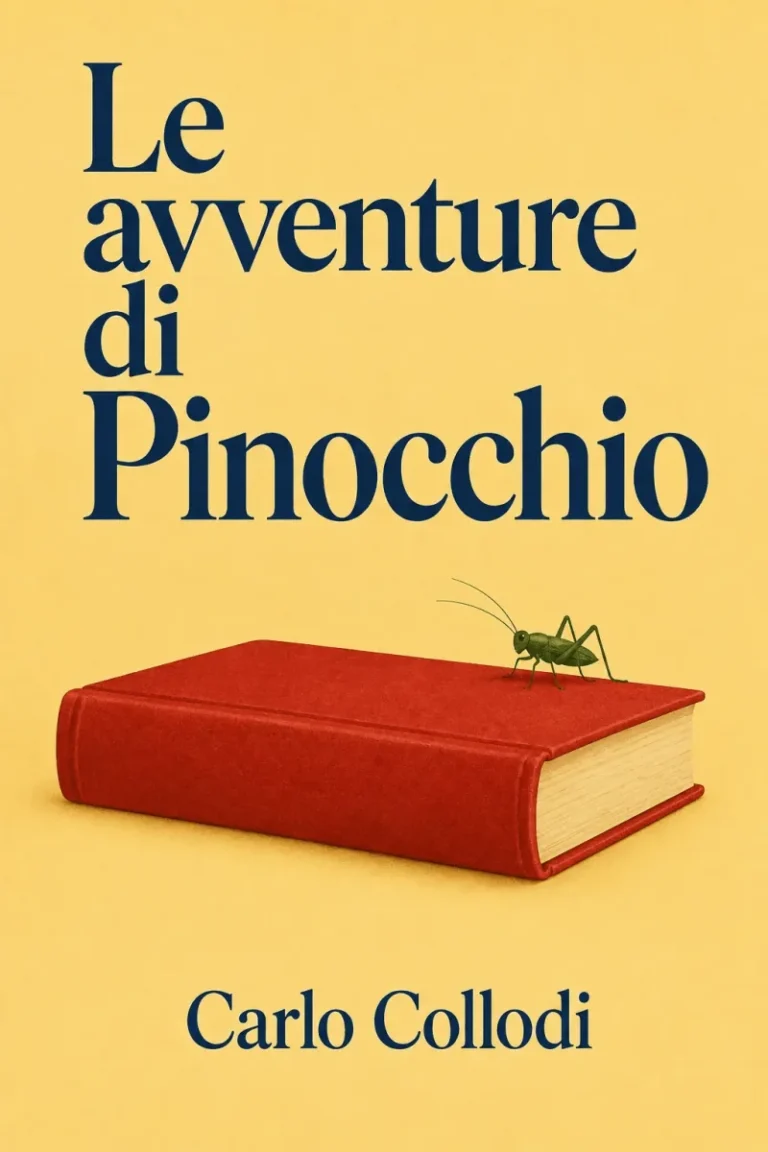
Le avventure di Pinocchio, Carlo Collodi

Read a story you already know — in Italian

Your first full book in Italian does not have to be an unfamiliar one. Knowing the characters and plot gives you context before you even begin. Try a classic you already know and experience the same story in Italian.
Frankenstein; or, The Modern Prometheus, Mary Shelley
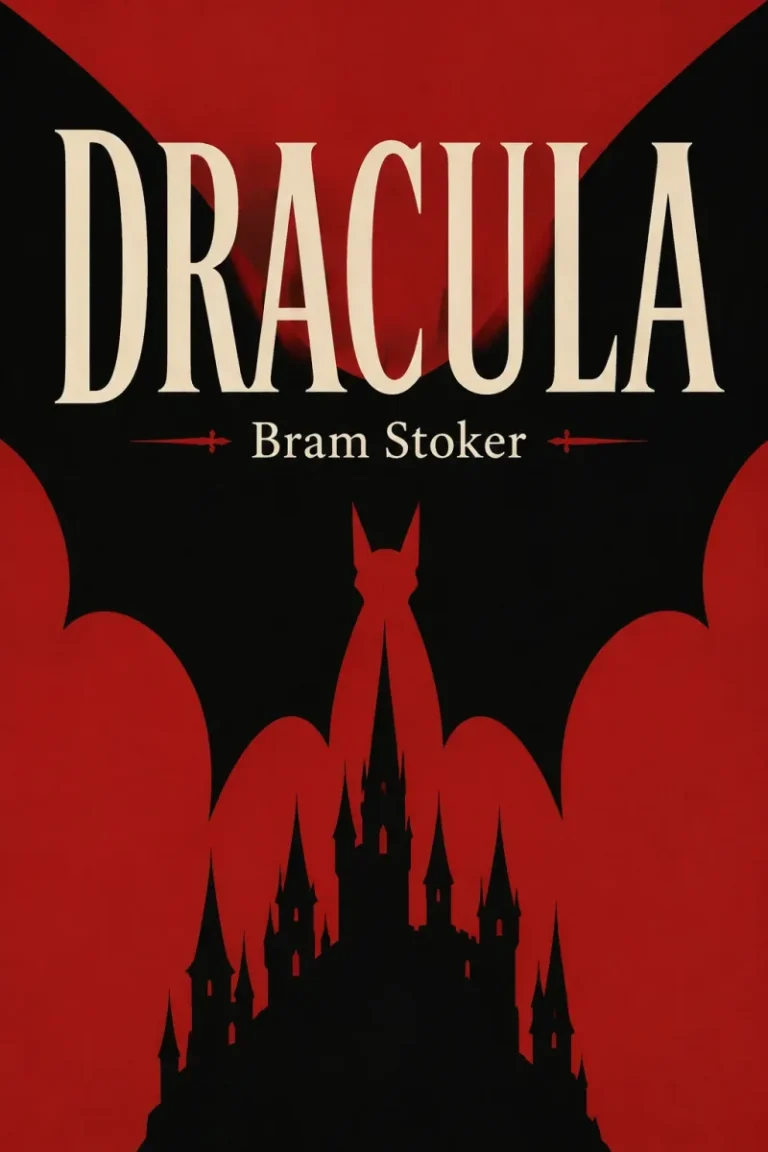
Dracula, Bram Stoker
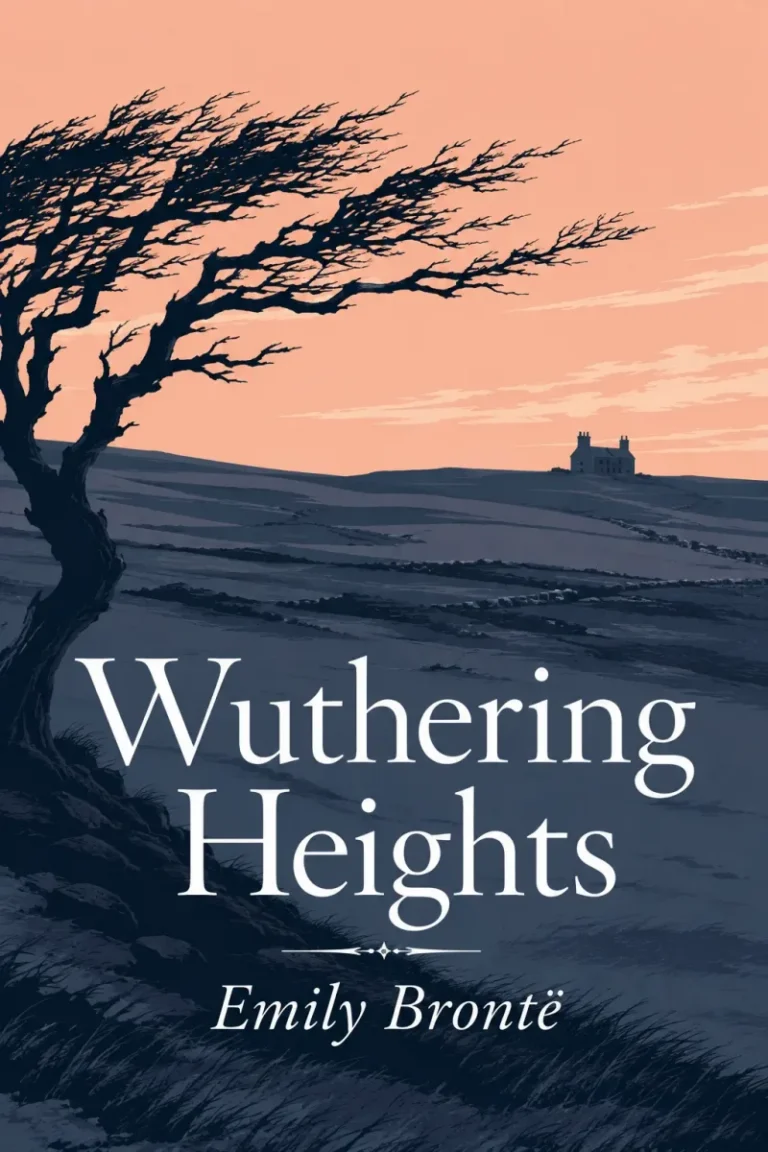
Wuthering Heights, Emily Brontë
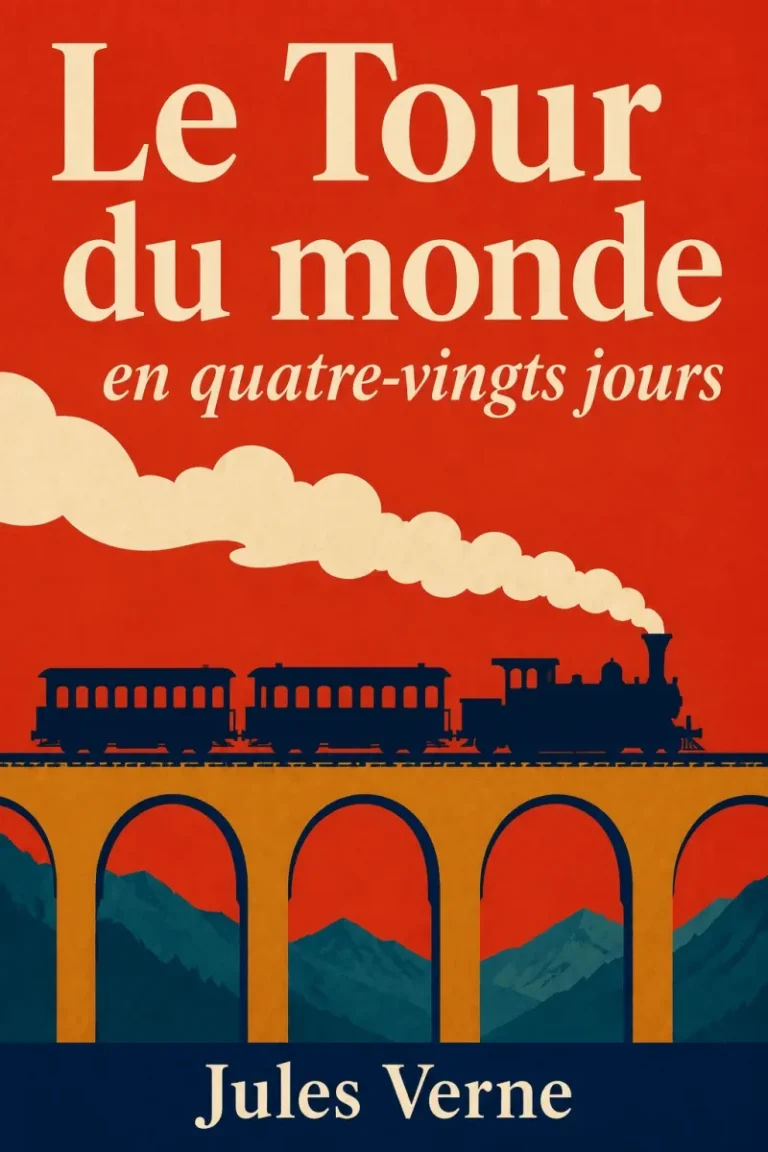
Le Tour du monde en quatre-vingts jours, Jules Verne
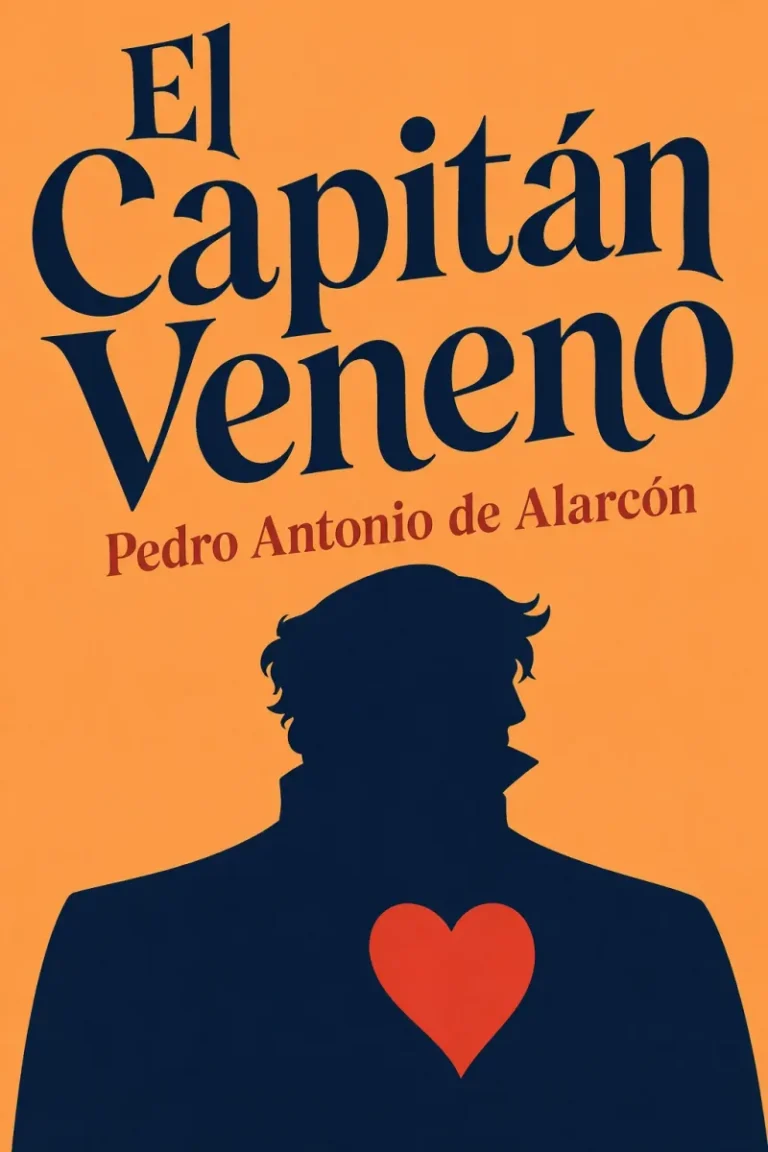
El Capitán Veneno, Pedro Antonio de Alarcón
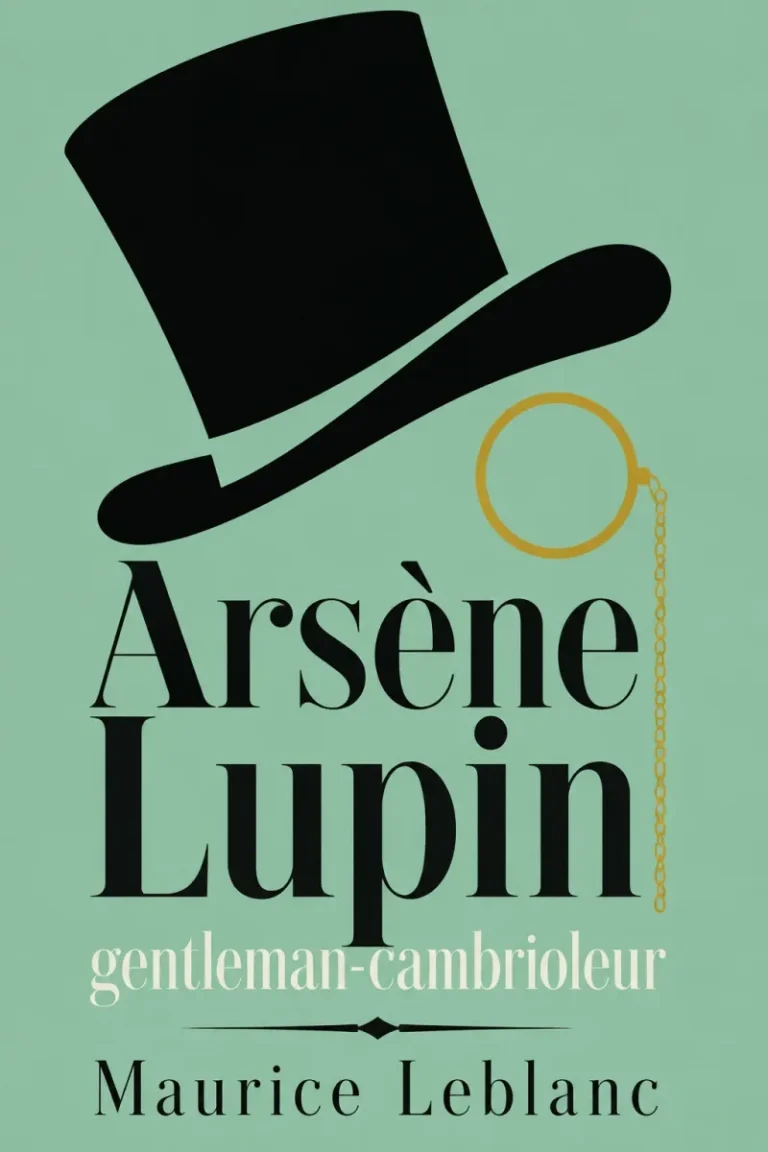
Arsène Lupin, gentleman-cambrioleur, Maurice Leblanc
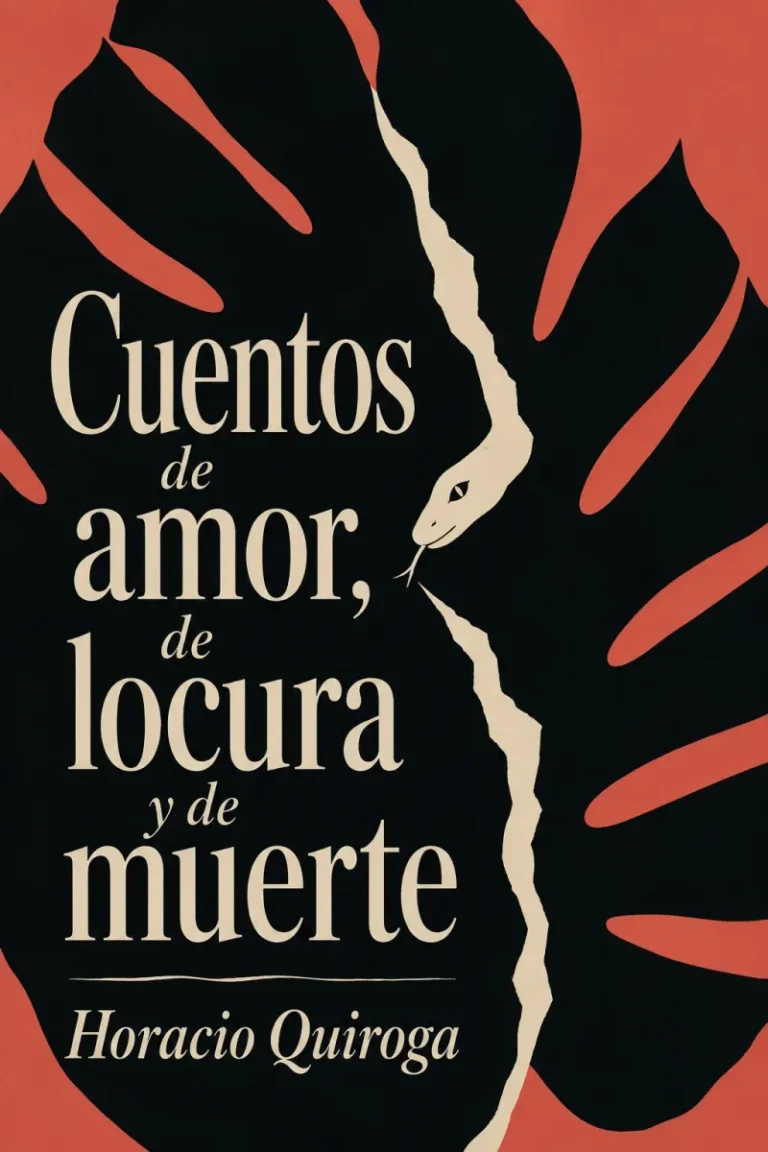
Cuentos de amor, de locura y de muerte, Horacio Quiroga
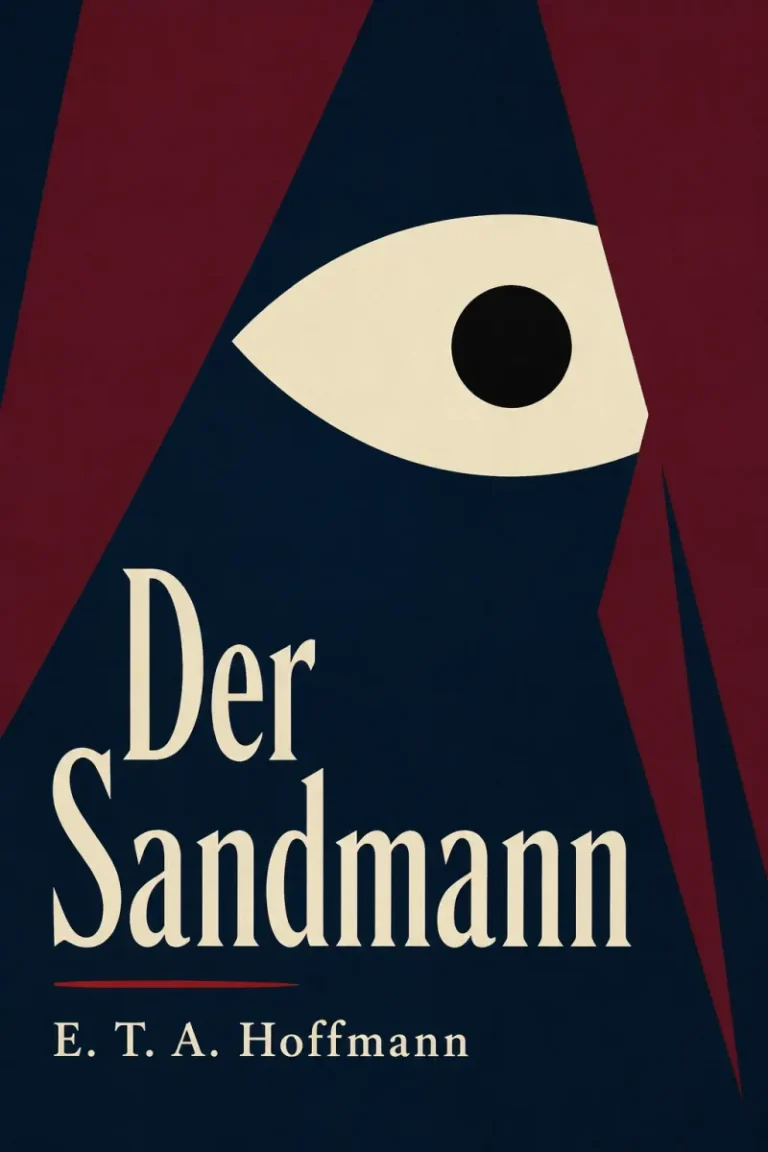
Der Sandmann, E. T. A. Hoffmann
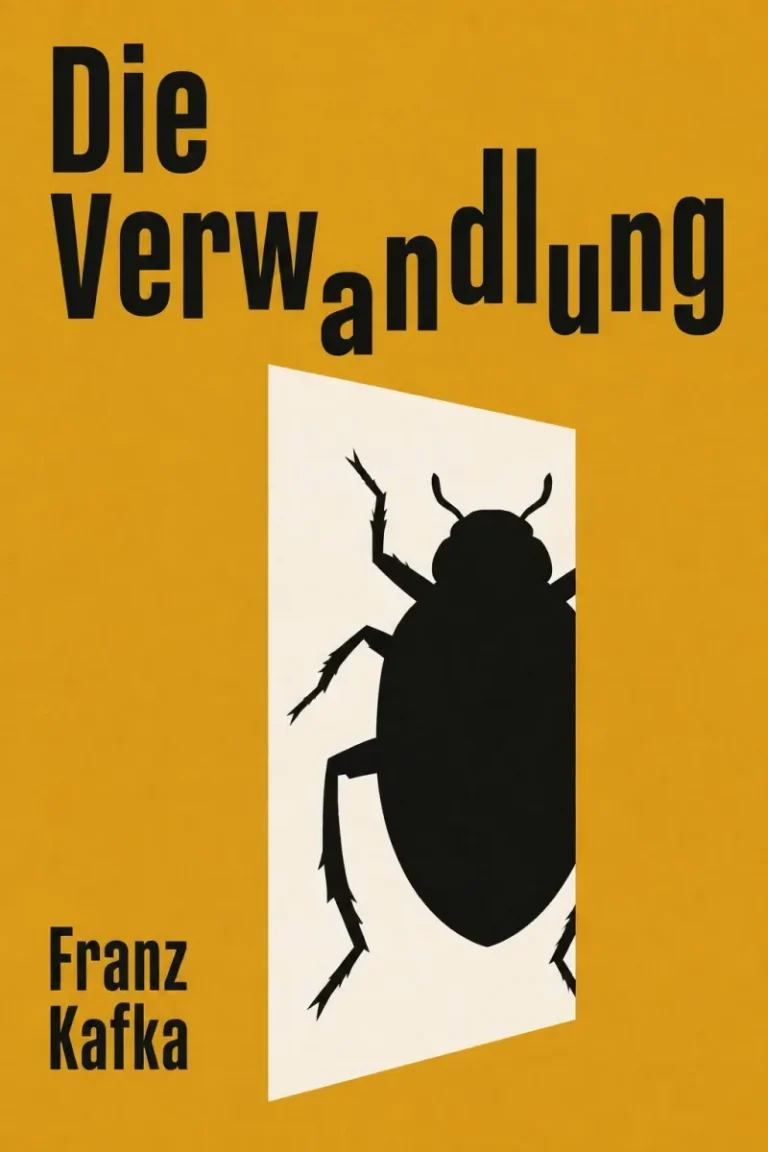
Die Verwandlung, Franz Kafka
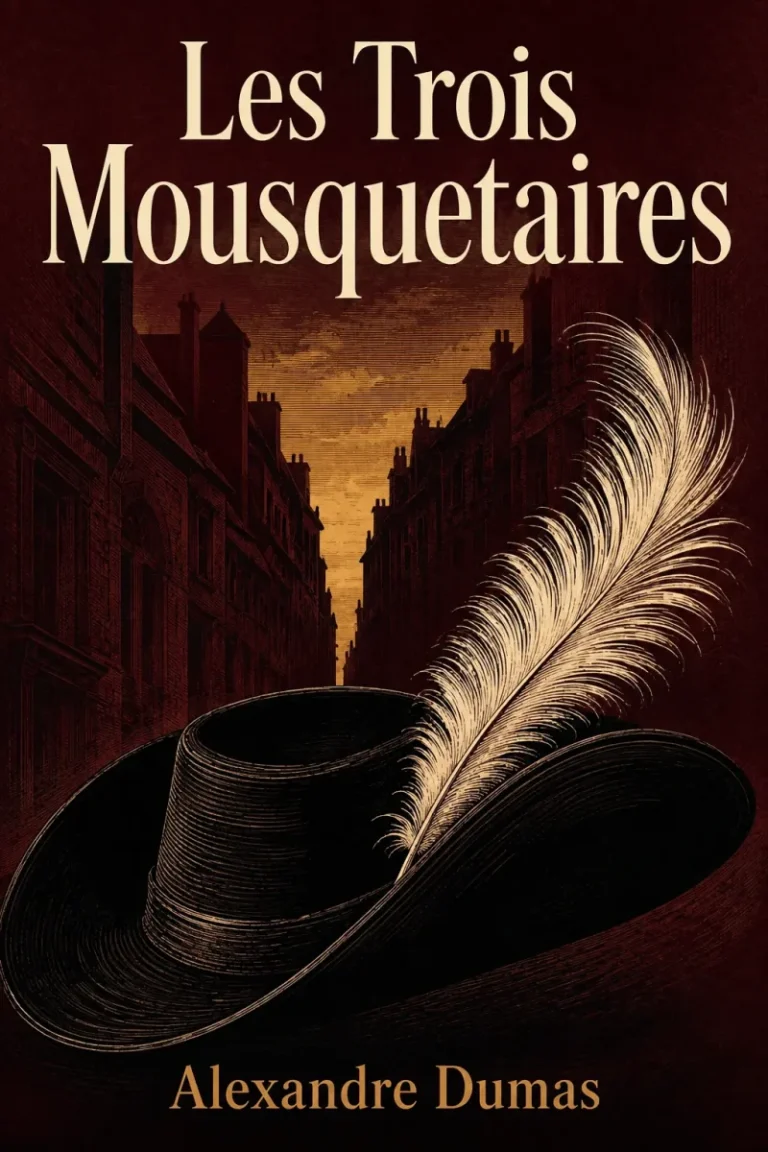
Les Trois Mousquetaires, Alexandre Dumas
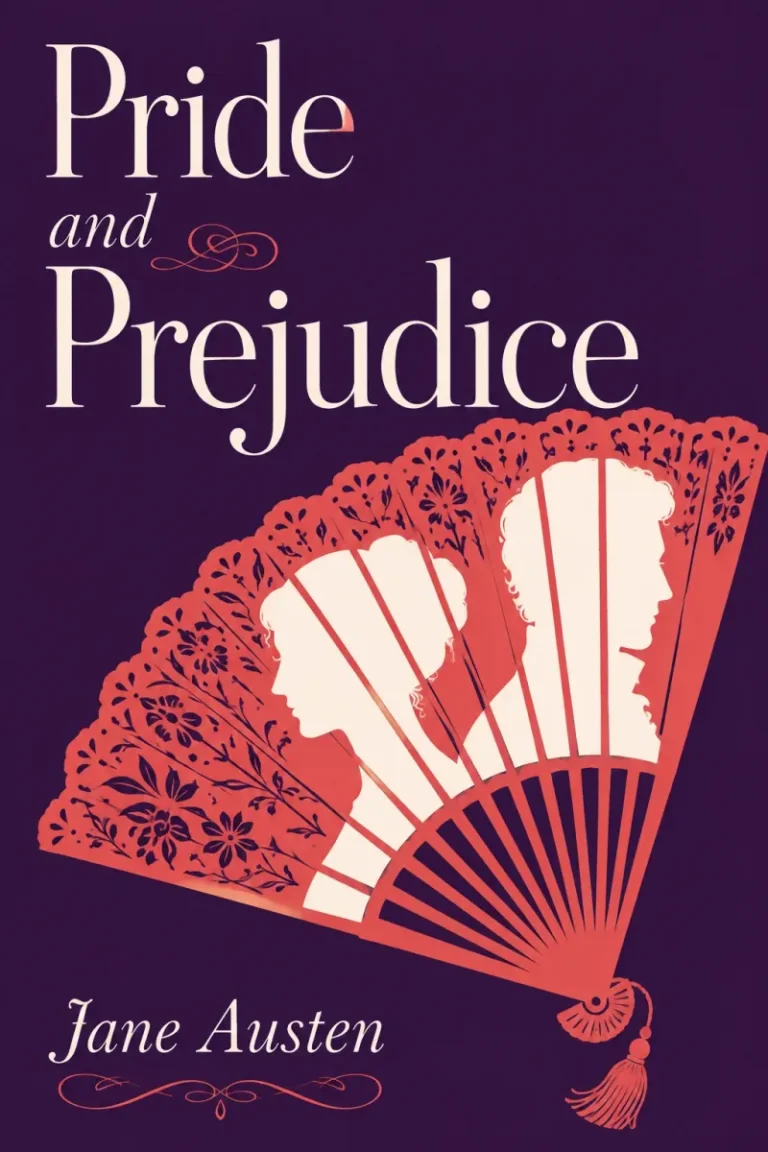
Pride and Prejudice, Jane Austen
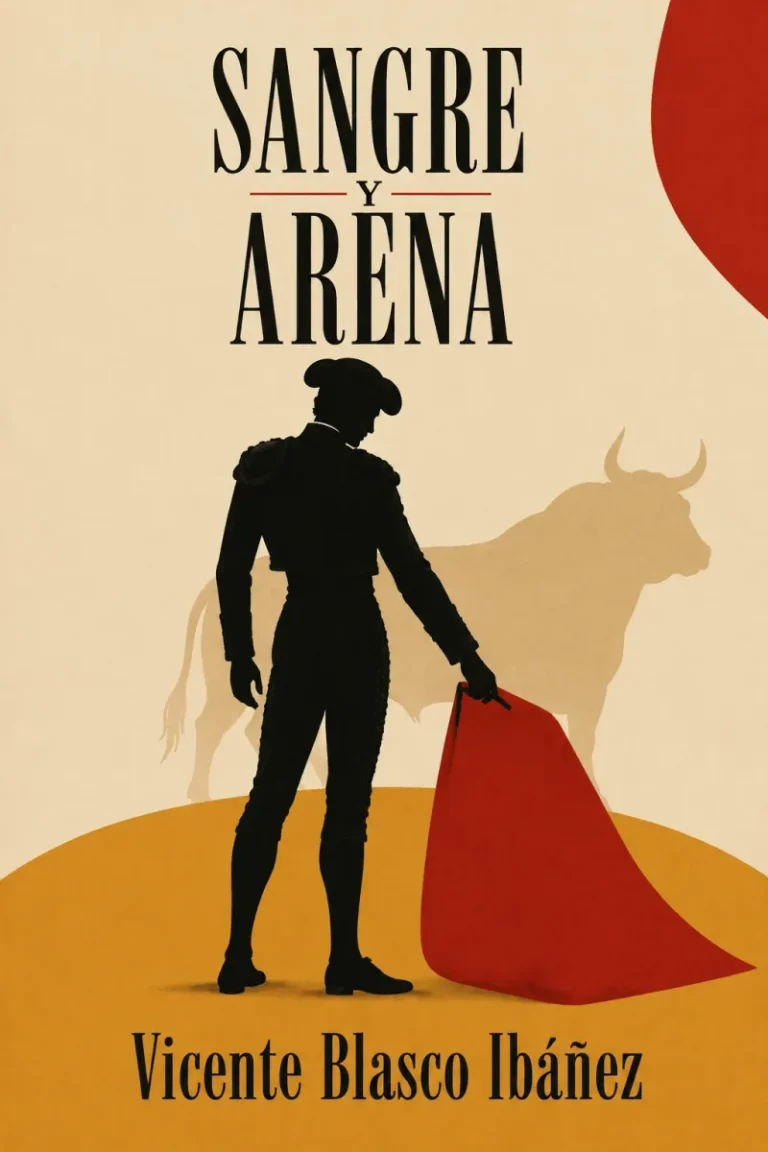
Sangre y arena, Vicente Blasco Ibáñez

Which Italian book should you start with?

The best first book is not necessarily the easiest one. Choose something interesting enough that you want to keep going, but not so difficult that every paragraph becomes work.
A story you already know can make a good starting point. You already understand the plot, so more of your attention can go to the Italian itself.
If you are comfortable reading longer passages, try a novel originally written in Italian and experience the language without an intermediate translation.

What do you learn from reading in Italian?

Long-form reading exposes you to things short exercises rarely reproduce well: recurring vocabulary, transitions between ideas, dialogue, description, and the way sentences connect across paragraphs.
You also begin to see which words and constructions authors use repeatedly rather than learning vocabulary as isolated items.

Italian originals or translated books?

Both can be useful.
Books originally written in Italian expose you directly to a Italian-speaking author’s style and vocabulary.
Translated classics have another advantage: you may already know the story. That familiarity can make a difficult Italian text easier to follow. Start with whichever keeps you reading.

Questions about learning Italian by reading

Can you learn Italian by reading books?
Yes. Reading gives you repeated exposure to Italian vocabulary, grammar, and sentence patterns in context. It works best as part of broader language learning rather than as your only activity.
What books should I read to learn Italian?
Start with a book you want to finish. Familiar stories can be easier because you already know the plot, while books originally written in Italian give you direct exposure to Italian-language literature.
Should beginners read books in Italian?
Neither is automatically better. Originals give you Italian-language literature directly; translations can be easier when you already know the story.
Is it better to read Italian originals or translations?
Neither is automatically better. Originals give you Italian-language literature directly; translations can be easier when you already know the story.
Do I need to understand every word?
No. Following the story matters more than stopping for every unfamiliar word. Check what prevents you from understanding the passage, then keep reading.