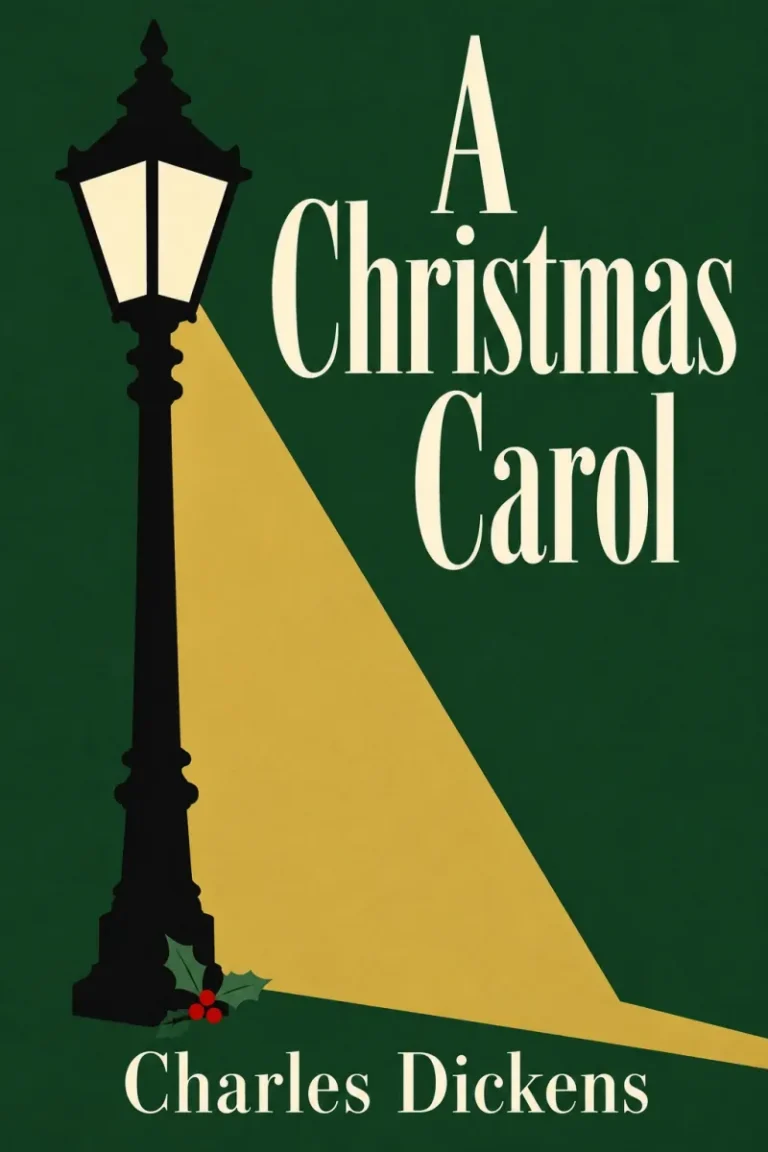
Charles Dickens
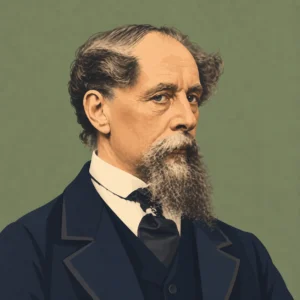
At twelve, with his father in a debtors’ prison, Charles Dickens went to work in a blacking factory. He never forgot the bottles or the shame.
He learned shorthand, reported on Parliament, published sketches, and found fame with The Pickwick Papers. Fifteen novels followed: Oliver Twist, David Copperfield, Bleak House, Great Expectations, and unfinished Edwin Drood among them. He edited magazines, performed public readings, walked London for hours, and made clerks, prisoners, lawyers, children, and crowded streets speak in voices readers remembered. His comedy could be enormous; so could his anger at poverty and institutional cruelty.
The plots fill cities. The wound underneath them began in one small factory room.